
Rising ticket prices not saving largest US airline Delta: fuel to add another $6 bln in costs
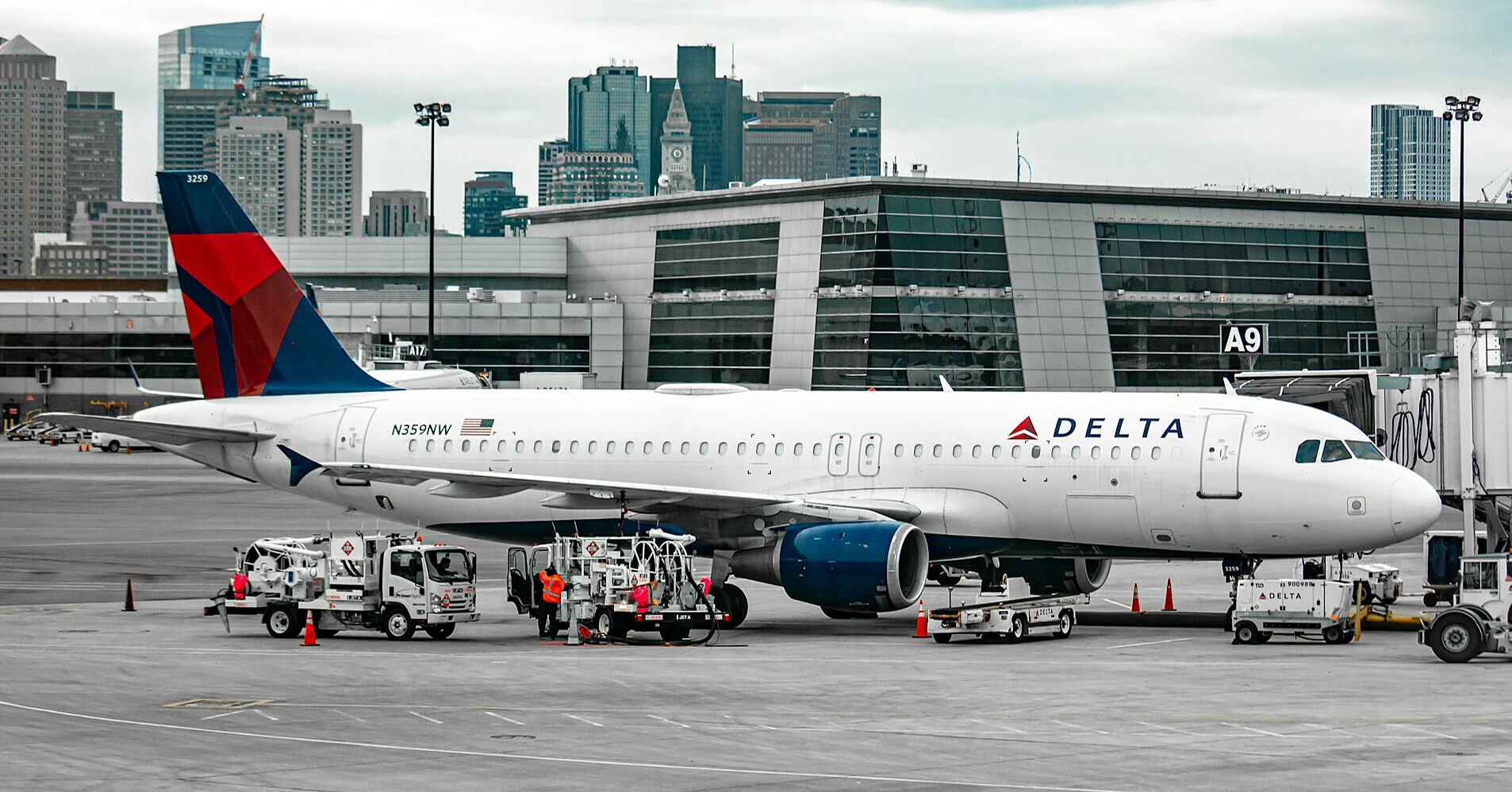
One of the largest US airlines has sharply worsened its profit forecast, even though demand for flights remains strong and revenues are growing. Delta Air Lines now expects that more expensive fuel will increase its costs by about $6 billion for 2026 — and even higher ticket prices turned out to be insufficient to fully offset this blow.
The company lowered its adjusted earnings per share forecast to $5.10–5.60 from the previous $6.50–7.50. Comparing the midpoints of the ranges, expected earnings per share decreased by almost a quarter.
At the same time, Delta still expects to earn about $4.5 billion in pre-tax profit for the full year. The main reason for the forecast revision is precisely fuel.
Fuel bill rises by billions
Delta expects its fuel expenses in 2026 to be about $6 billion higher than a year earlier.
As recently as summer, the company assumed a smaller increase in costs. Now the estimate had to be increased by another roughly $2 billion due to further rise in jet fuel prices.
The scale is already visible in the quarterly report. In the third quarter, Delta's adjusted fuel expenses reached $4.1 billion — 62% more than a year earlier.
The average adjusted fuel price rose by 60% to $3.61 per gallon.
Moreover, pressure may intensify by the end of the year. In its forecast for the fourth quarter, Delta assumes about $4.25 per gallon including the benefit of its own oil refinery business.
The most unusual part — passengers keep flying
Usually a sharp rise in one of the main airline costs is especially dangerous when demand simultaneously falls. For Delta, the opposite is now happening.
Adjusted revenue for the third quarter reached a record for this period of $17.6 billion and grew 16% year over year with a virtually unchanged number of available seats.
The company attributes the result to resilient demand and growth in revenue per each sold seat. Main cabin revenue per available seat grew 17%, while premium segment revenue also grew at double-digit rates.
In other words, passengers continue to buy tickets, and the airline gets more money from each flight. But the rise in fuel prices was so strong that it ate up a significant part of this effect.
What this could mean for passengers
The lowering of Delta's forecast by itself does not mean that airfare will now automatically rise.
However, the report shows how strong the pressure of fuel costs on flight economics has become. Airlines can compensate for it in several ways: increasing revenue from tickets, cutting less profitable flights, managing available seat capacity more carefully, and placing greater emphasis on premium services.
Delta already uses part of this strategy.
In the fourth quarter, the company expects total revenue to grow by about 20% compared to last year, while seat capacity should grow by less than 2%.
At the same time, the number of main cabin seats is planned to be reduced.
For the airline, this is a way to maintain higher revenue per available seat without increasing supply as quickly as demand grows.
Profit declines even with record revenue
Delta's story well illustrates the unusual situation now unfolding for air carriers.
Demand remains high, passengers continue to travel, and revenue is setting records — but profit is growing much more slowly due to fuel costs.
According to official Delta data, adjusted earnings per share in the third quarter was $1.72 and remained practically unchanged compared to last year.
At the same time, the company reported that compared to its own July forecast alone, it paid more than $500 million more for fuel in the third quarter than expected.
The free cash flow forecast for all of 2026 was also lowered to about $2.5 billion. In summer, Delta expected to receive $3–4 billion.
Why $6 billion matters not just for one airline
Fuel remains one of the largest and at the same time most unpredictable cost items in the aviation industry. Carriers practically cannot quickly reduce its consumption: if a plane operates a flight, it needs a certain amount of fuel regardless of how much tickets cost.
Therefore, a sharp rise in prices quickly affects the profitability of the entire market.
Delta is in a relatively strong position thanks to a large premium business, loyalty program, partnership with American Express, and its own oil refinery. But even this model could not fully absorb the fuel spike.
That is why Delta's new forecast becomes indicative for the whole industry: if high fuel prices persist, airlines will have to find ways to make more money on each flight even while travel demand remains.
Based on materials from: Delta Air Lines, Reuters.
