American regulator revisits risks of popular weight loss drugs
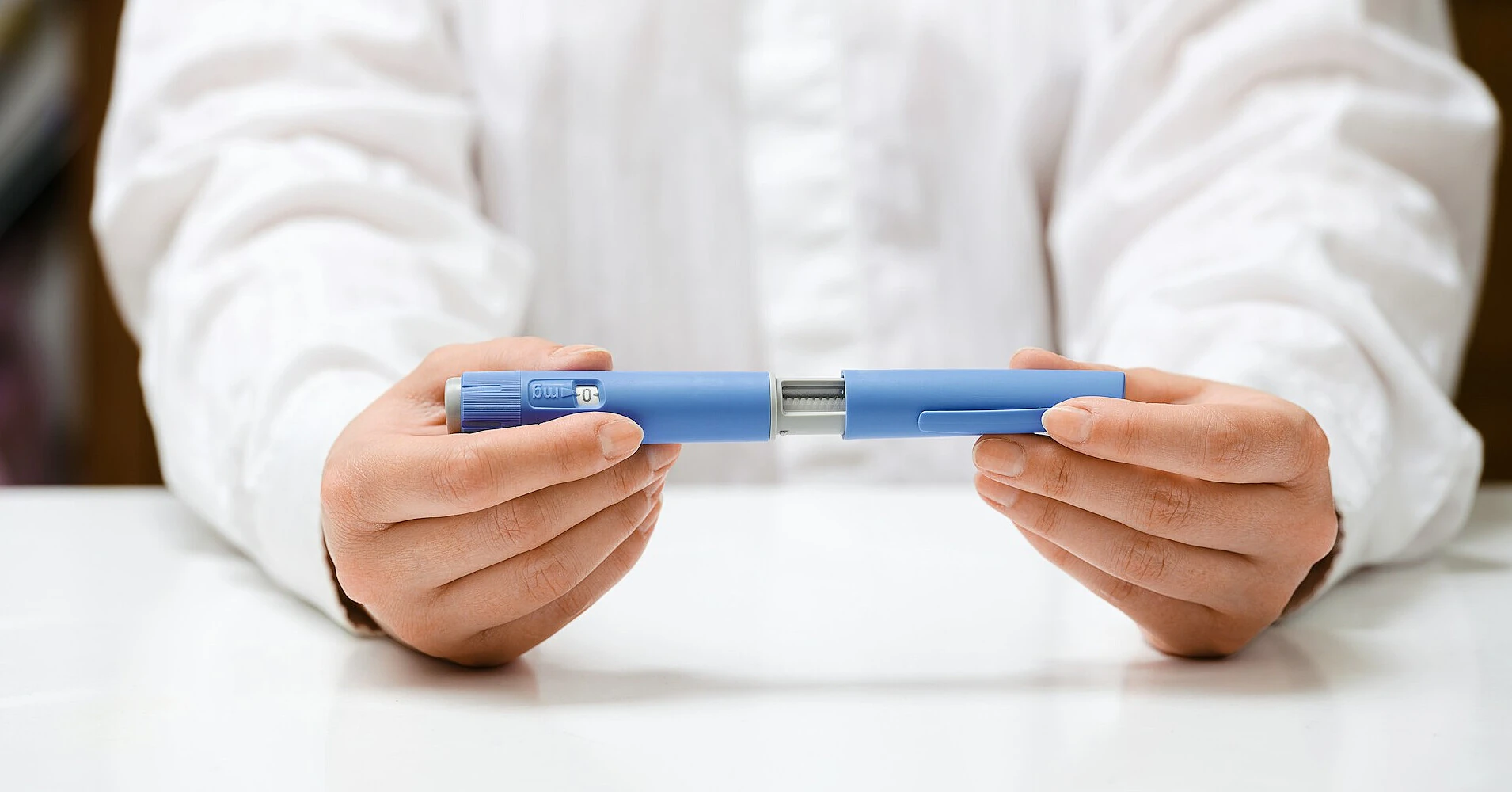
The U.S. Food and Drug Administration (FDA) has required manufacturers of popular drugs for treating diabetes and obesity to update warnings about possible side effects. The regulator identified a potentially increased risk of a rare optic nerve disease that can lead to irreversible vision loss.
This is stated in an official FDA notification dated November 9, 2026.
The new requirements apply to all drugs in the GLP-1 receptor agonist class, including Ozempic, Wegovy, Rybelsus, Mounjaro, and Zepbound. The list also includes Victoza, Saxenda, Trulicity, and other medications in this group.
These drugs are mainly used to control blood sugar levels in type 2 diabetes and to treat obesity. They mimic the action of the natural hormone GLP-1, which is involved in regulating glucose levels, appetite, and food intake.
Under the FDA decision, manufacturers must add information about the potential risk of non-arteritic anterior ischemic optic neuropathy (NAION) to the "Warnings and Precautions" section of the instructions.
NAION is a rare condition associated with reduced blood supply to the front part of the optic nerve. It can cause sudden painless vision loss in one eye, and in some cases, irreversible loss of vision.
Among the characteristic symptoms, the FDA mentions sudden vision deterioration that a person may notice upon waking, the appearance of blind spots in the visual field, tunnel vision, color distortion, and blurring of the central part of the image.
The basis for updating the warnings was an analysis of 126 randomized clinical trials involving more than 134,000 patients.
According to the analysis results, among people using GLP-1 drugs, the incidence of NAION was 6.4 cases per 100,000 person-years of observation. In control groups whose participants received placebo or other glucose-lowering drugs, the rate was 3.8 cases.
In total, the studies identified 15 probable cases of NAION: ten among patients taking GLP-1 drugs and five in control groups.
At the same time, the FDA emphasizes that the condition remains very rare, and the mechanism of the possible effect of these drugs on the optic nerve has not been definitively established.
The regulator also analyzed observational data from patients with type 2 diabetes. When comparing GLP-1 drugs with certain other drug classes, results differed: in one case, no statistically significant increase in risk was found, while in another, an increased risk was recorded.
Thus, the FDA views the available data as evidence of potential danger requiring an additional warning for patients and doctors. The new decision does not mean banning the drugs or pulling them from the market.
Patients who notice sudden painless worsening of vision should immediately seek medical help, the FDA recommends. If NAION is suspected, the doctor should refer the person for urgent examination by an ophthalmologist.
If the condition is confirmed, the decision to continue or stop treatment with GLP-1 drugs should be made together with the doctor, taking into account the benefits of therapy and possible risks. It is not recommended to stop prescribed drugs on your own due to the new warning.
The FDA also notes that the risk of NAION may be associated with underlying conditions, including diabetes, high blood pressure, sleep apnea, kidney disease, and anemia.
The new requirements concern drug labeling in the United States. They do not mean automatic changes to instructions or regulatory status of the respective drugs in Ukraine or the European Union.