Curfew imposed in France after mass riots
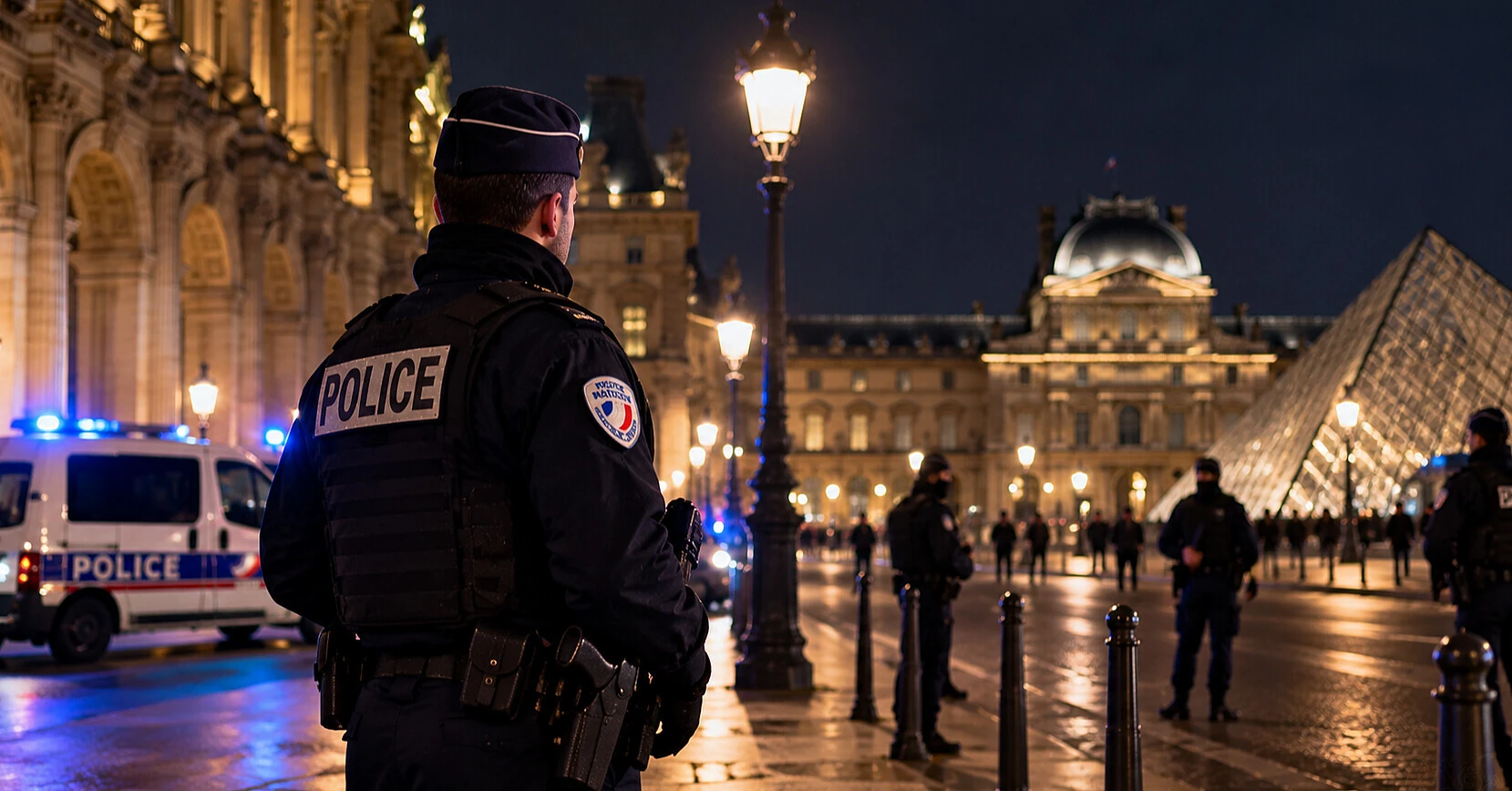
On October 19, French authorities imposed a curfew in certain districts of Paris and several other cities after large-scale protests accompanied by riots, arson, and looting of shops. The restrictions are aimed at preventing new unrest and protecting commercial establishments.
This was reported by Le Monde and Le Parisien.
Which cities have restrictions
In Paris, a curfew is in effect from 23:00 on October 19 to 06:00 on October 20 local time. It applies to Place de la République and certain streets near the Les Halles shopping district, where clashes and mass robberies of shops previously occurred.
Exceptions are provided for local residents, business employees, entrepreneurs, and emergency service workers. The restrictions do not apply to all of Paris.
Additionally, police have banned demonstrations and mass gatherings in several areas of the capital from 20:00 to 06:00. The restrictions affect areas near government institutions, major squares, and railway stations.
Due to reinforced security measures, on the evening of October 19, the operation of certain Paris metro stations, including République and Châtelet, was also limited.
In northern France, a curfew for minors was imposed in certain districts of Lille, Douai, Wattignies, and Denain. The restrictions are in effect from 20:00 to 06:00 and are set for two nights.
In Nice, authorities banned minors from being unaccompanied by adults in central areas of the city from 21:00 to 06:00. Additional restrictions are also provided in Lyon.
French Prime Minister Sébastien Lecornu emphasized that the government prefers local security measures over a nationwide curfew. However, he did not rule out declaring a state of emergency if the situation worsens.
Macron refused to accept Interior Minister's resignation
Decisions on new restrictions followed the Interior Minister Laurent Nuñez's acknowledgment of serious errors in law enforcement operations.
The Interior Minister stated that during Saturday's riots, police lost control in some major cities. According to him, the authorities underestimated the scale of the protests and did not ensure sufficient personnel to prevent the riots.
Nuñez offered his resignation to President Emmanuel Macron, but the head of state refused to accept it.
Instead, Macron instructed the minister to review errors in police operational planning and intelligence services, and to revise public order tactics.
Riots damaged thousands of businesses
Mass protests took place in France on October 17–18 amid dissatisfaction with the high cost of living, the state of the education system, and funding for public services.
According to the French Interior Ministry, about 550,000 people participated in Saturday's demonstrations. Organizers estimated the number of participants at about 800,000. Most protest marches were peaceful, but clashes with police and attacks on commercial properties occurred in some cities.
As a result of the riots, thousands of shops and businesses were damaged. Particularly serious destruction was recorded in Paris, Marseille, Lyon, and Limoges. Over the weekend, law enforcement officers detained more than 2,400 people.
The French government is preparing support measures for entrepreneurs affected by the riots. The authorities also intend to increase police presence ahead of the next mass demonstrations.
Based on materials from: Le Monde, Le Parisien, Le Parisien — restrictions in northern France, Euronews.